
Introducing the Concept of the Hidden Artist
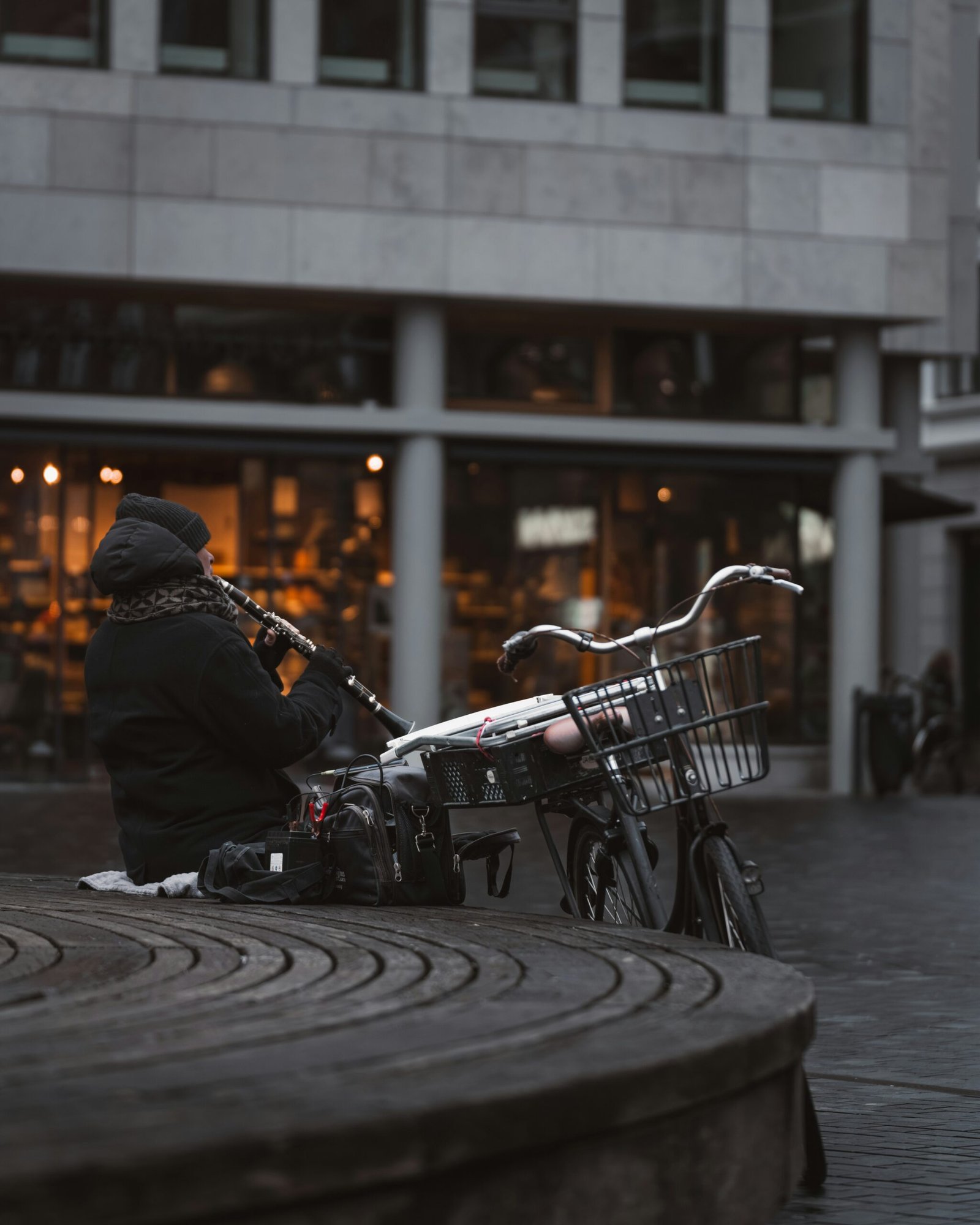
The term ‘hidden artist’ refers to individual painters, sculptors, and creators whose works remain largely unknown or unrecognized by the broader art community and the public. These artists often produce remarkable pieces that convey immense talent and creativity, yet they work in the shadows, away from the limelight that often shines on their more famous counterparts. The concept highlights a significant aspect of the art world: the existence of numerous gifted individuals whose contributions may never receive the recognition they deserve.
Hidden artists emerge from diverse backgrounds and experiences, frequently shaped by societal factors that hinder their visibility. Some may lack access to formal training or resources that would normally elevate their careers, while others might be confined by geographical isolation, limiting their exposure to larger art scenes. Moreover, prevailing societal norms can stigmatize certain forms of artistic expression, relegating innovative creators to anonymity. This results in a wealth of undiscovered talent and rich artistic perspectives that remain uncelebrated in mainstream art discussions.
The allure of hidden artists often stems from their unique viewpoints, reflecting personal stories, cultural contexts, and enduring passions for their craft. Their art can embody raw, unfiltered expressions driven by a desire to create rather than to achieve fame or financial success. Consequently, hidden artists present an opportunity for art enthusiasts and collectors to explore diverse styles and narratives, enriching the artistic canon with previously overlooked voices. Recognizing the significance of hidden artists not only diversifies our understanding of art but also fosters a deeper appreciation for the myriad expressions that lie beyond established boundaries.
The History of Forgotten Artists
The history of forgotten artists is an intriguing narrative within the broader context of art movements and cultural evolution. Throughout various periods, numerous artists have experienced obscurity despite their significant talent. In many cases, societal preferences, political climates, and changing artistic trends have contributed to the neglect of these individuals, leaving them to be overshadowed by their contemporaries or subsequent generations of renowned creators. This discussion serves to illuminate some key periods and movements where artists have either fallen out of favor or have been completely overlooked.
The Renaissance, for instance, witnessed a focus on a select few artists, such as Michelangelo and Leonardo da Vinci, while many talented painters and sculptors of the era became lost to history. Artists like Sofonisba Anguissola, who garnered recognition during her time, later faded from public consciousness, resulting in her undervaluation in the art historical canon. Similarly, during the Impressionist movement, while names such as Monet and Degas gained widespread fame, artists like Berthe Morisot and Alfred Sisley often remained in the shadows, though their contributions were substantial.
Additionally, the rise of modernism in the early 20th century further complicated the visibility of many artists. Individuality and experimental approaches sometimes marginalized those who did not adhere to or align with the prevailing avant-garde trends. For instance, artists from underrepresented demographics often struggled for recognition amidst the dominant narratives controlled by a select few. Despite the neglect, some forgotten artists have begun to resurface in contemporary discussions, as a generational re-evaluation of art acknowledges their once-ignored merits. Through exhibitions and scholarly research, these artists are slowly reclaiming their rightful places in the tapestry of art history, highlighting the necessity of continuous exploration into the diverse influences and contributions within the artistic community.
The Psychology Behind Creativity and Obscurity
The motivations driving artists to create, particularly those who remain in obscurity, are multifaceted and profound. Central to this exploration is the concept of intrinsic motivation—artists often engage in their craft not merely for external validation, but for personal fulfillment. For many attic artists, creativity serves as a vital form of self-expression, enabling them to communicate complex emotions and thoughts that may otherwise remain unarticulated. This internal drive towards expression can lead to an emotional catharsis, where the act of creating becomes a therapeutic outlet for feelings that demand to be acknowledged. Thus, the studio or attic transforms into a sanctuary where artists navigate their innermost worlds and confront their experiences through their work.
Additionally, the desire to forge connections with others plays a significant role in the artistic process. Even if their work goes unrecognized, artists may feel a compelling need to resonate with an audience, however small. This connection can manifest in various ways: through the shared experience of viewing art, the dialogues sparked by creative output, or even the quiet understanding that arises from engaging with their own narratives. For these artists, the connection to others is often more meaningful than the accolades typically associated with mainstream success.
The art world itself can be a double-edged sword. While some artists thrive on external validation, others find that the pressures associated with mainstream acceptance can stifle their creativity. Those who operate outside the confines of conventional recognition may feel liberated, allowing them to explore innovative ideas without the constraints imposed by market demands. Consequently, the dynamic relationship between recognition and motivation reveals that obscurity can be a powerful catalyst for unyielding creativity. Ultimately, it is the artistic journey that shapes these creators, guiding them towards self-discovery and connection, regardless of the accolades they might receive.
Unusual Artists: Perspectives from the Attic
The world of art has long been defined by traditional mediums and established norms. However, a diverse group of artists operating from their attics challenges these conventions through innovation and creativity. These unusual artists often work in isolation, allowing them the freedom to explore unconventional materials and methods far removed from mainstream practices. This unique approach births compelling narratives and fascinating pieces that reflect their individual experiences and perspectives.
One notable category of these artists includes those who utilize everyday objects and materials often considered discarded or trivial. By transforming items such as bottle caps, cardboard, and old textiles into intricate art pieces, they compel audiences to rethink waste and value. This practice not only reveals the boundless potential within what is often overlooked but also comments on larger social and environmental issues, prompting a dialogue about consumption and sustainability in contemporary art.
Additionally, many attic artists experiment with non-traditional techniques, such as digital collage and mixed media. By combining distinct forms of art, these creators expand the boundaries of expression, ultimately challenging viewers’ conceptions of what constitutes art. Their work can evoke emotions and provoke thought in ways that are both unique and enriching, providing fresh insights into the artistic experience.
Moreover, the isolation experienced by these artists often fosters deep introspection, which significantly influences their creations. The quiet of an attic becomes a sanctuary that encourages exploration and experimentation. Consequently, their art reflects personal journeys, conveying powerful messages and stories that contribute to the broader narrative of contemporary art. This intersection of isolation and expression creates a distinctive atmosphere that elevates their works to new heights while simultaneously preserving their connection to the universal human experience.
Skill Masters: The Technical Abilities of Forgotten Artists
The realm of hidden artists is filled with individuals who possess remarkable technical abilities, often unrecognized by the broader art community. These individuals, who have honed their craft in the shadows, utilize a range of techniques that underscore their artistic prowess. Their backgrounds—whether formally trained or self-taught—play a significant role in shaping their unique styles and approaches. Each artist’s technique often reveals a story, intricately tied to their personal experiences, cultural heritage, and artistic influences.
Many of these artists master various mediums, developing their own distinctive methods that blend traditional practices with innovative interpretations. For instance, a forgotten watercolorist may utilize an unorthodox layering technique that results in a vibrancy typically associated with oil paints. Similarly, a neglected sculptor could employ materials such as recycled plastics or natural clay, crafting pieces that not only showcase technical skill but also convey powerful social messages. This individuality of style is crucial; it makes each piece a testimony to the artist’s creativity and innovation, irrespective of mainstream recognition.
Furthermore, the lack of fame does not diminish the quality of their work. In many instances, these artists produce pieces that rival their more famous counterparts, demonstrating a mastery that is both technical and expressive. It is essential to appreciate that while fame may afford visibility, it does not inherently validate artistic merit. Forgotten artists, through commitment and dedication, showcase exceptional skill, creating works that invite viewers to engage deeply with their content and emotion. Their stories deserve acknowledgment, for in exploring their techniques, we uncover a rich tapestry of cultural narratives that continue to resonate across time.
Why Do We Paint? Understanding the Artistic Urge
Throughout history, the act of painting has transcended mere aesthetic pursuit; it has fundamentally embodied a myriad of human needs and aspirations. One of the most profound queries within the realm of the arts is, “Why do we paint?” This question delves into our collective consciousness, addressing not only individual emotional experiences but also overarching societal and cultural narratives. Theories abound regarding the intrinsic need for artistic expression, many of which highlight painting as a primal necessity for survival. For instance, early humans utilized pigments to depict hunting scenes, thereby ensuring the success of their endeavors. This demonstrates how art was intertwined with the basic instincts of life and death, showcasing its enduring relevance.
Moreover, painting serves as a crucial vehicle for storytelling, offering a visual medium through which communities can share their histories, aspirations, and struggles. In many cultures, indigenous artists create paintings that encapsulate tribal legends and cultural identity. These works affirm group cohesion, enabling individuals to find their place within a larger story. The significance of painting is not only limited to its representational function; it also fosters a sense of belonging and continuity among people.
Additionally, the importance of personal exploration cannot be overlooked. Many artists engage in the act of painting as a means of self-discovery, using color and form to communicate their innermost thoughts and emotions. This process of introspection highlights the psychological aspects of artistry, where canvas becomes a space to confront personal narratives and navigate the complexities of existence. Ultimately, the urge to paint appears to intertwine our communal histories with individual experiences, forming a tapestry that reflects humanity’s relentless pursuit of meaning and connection.
The Role of Community and Audience in Art
The significance of community and audience support in the realm of artistic expression cannot be overstated. For many artists, particularly those operating in obscurity, recognition and validation from a community can serve as a pivotal lifeline, fostering personal and professional development. The interaction between artists and their audiences heavily influences an artist’s journey, often dictating the trajectory of their work and emotional well-being. An artist’s visibility is intrinsically tied to their ability to connect with their audience; without this connection, their art may remain unrecognized, leading to feelings of isolation and discouragement.
A community’s appreciation plays a crucial role in shaping an artist’s identity and confidence. Artists thrive on feedback and interaction, as validation from viewers can elevate the impact of their work. Positive reception and engagement help bolster an artist’s mental health and motivation, providing them the encouragement needed to persevere in their craft. Conversely, a lack of audience engagement can lead to self-doubt and a diminished sense of purpose. This dynamic is especially pronounced for hidden artists—those whose work remains largely unseen or uncelebrated despite its potential value.
Moreover, the audience’s role extends beyond mere spectatorship; they become a part of the narrative surrounding the artwork itself. Community support often manifests through platforms that promote dialogue and appreciation, thereby enabling the sharing of stories and experiences related to the artistic expression. Thus, it becomes evident that a vibrant community can not only transform how art is perceived but can also empower artists, driving them to explore and evolve in their creativity. The relationship between audience and artist is a delicate balance, one that fosters the flourishing of an artist’s career while promoting a richer cultural landscape.
Rediscovering Lost Art: The Impact of Social Media
In recent years, social media has revolutionized the art world, particularly for artists whose work has previously gone unnoticed. Platforms such as Instagram, Facebook, and Twitter serve as virtual galleries, enabling forgotten and hidden artists to connect with a global audience, share their creativity, and foster niche communities. The shift from traditional galleries to online platforms allows these artists to interact directly with art enthusiasts, facilitating a more personal engagement with their work.
One significant advantage of social media is its role in democratizing the art market. Emerging artists, regardless of their background or geographic location, now possess the opportunity to showcase their creations without relying on gatekeepers such as galleries or art dealers. As a result, niche audiences can discover and support underrepresented talent, giving forgotten artists a platform to thrive. Additionally, hashtags, trends, and online challenges further enhance visibility, allowing artists to tap into broader conversations and increase their reach.
However, sharing art online is not without its challenges. The fast-paced nature of social media can lead to a perception of art as fleeting or less valuable. Artists may find it difficult to capture attention amidst the overwhelming amount of content. Moreover, the pressure to consistently produce and post new work can lead to burnout and may detract from the authenticity of an artist’s creative process. Balancing the pursuit of audience engagement with the dedication to craft is a delicate equilibrium.
The impact of social media on the rediscovery of lost art is profound. While it presents new avenues for exposure and connection, it also introduces complexities that artists must navigate. Ultimately, the evolving landscape of digital platforms continues to shape the experiences of hidden artists, providing them with unprecedented opportunities to share their stories and artistry with the world.
Conclusion
In reflecting upon the myriad of untold stories surrounding attic artists, it becomes clear that the world of art is both vast and incredibly diverse. These hidden masters, who often operate away from the glitz and glamor of mainstream recognition, offer unique perspectives and profound emotional expressions that challenge our understanding of creativity. Their contributions, although sometimes overlooked, are invaluable to the fabric of cultural history and community identity.
Encouraging a deeper appreciation for these artists is essential. By recognizing and celebrating their work, we not only honor their individual journeys but also enrich our own experiences as observers and participants in the arts. Exploring local artists’ work can yield surprising discoveries, revealing the talent that flourishes just beyond the periphery of conventional art spaces. Visiting galleries, attending community events, and engaging with the narratives of these creators fosters a richer connection to the artistic landscape.
Moreover, the importance of seeking out diverse expressions of creativity cannot be overstated. By expanding our horizons beyond commercial and mainstream avenues, we allow ourselves to experience a fuller spectrum of artistic innovation. Whether through paintings, sculptures, or digital art, each piece created by these hidden masters speaks to a unique story, reflecting personal experiences and broader societal themes.
Ultimately, the call to celebrate art in all its forms is a call to appreciate the nuances and richness that come from different voices and perspectives. As we continue to explore and support these lesser-known artists, we contribute to a cultural milieu that values authenticity, diversity, and the transformative power of art. The journey to uncover the hidden masters is not just about the art itself, but about the connections it fosters among individuals and communities alike.